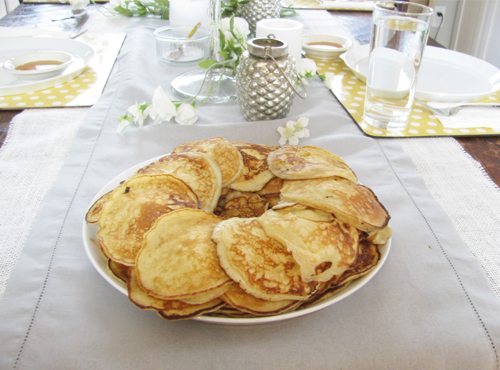
There’s nothing quite like a stack of warm pancakes from scratch on a lazy weekend morning. I especially love this recipe because the pancakes seem to turn out perfectly every time—even for me, and I’m definitely not the pancake expert in our family! They’re soft, fluffy, and buttery, and with a few simple tips for getting the pan temperature just right and knowing when to flip them, they’re surprisingly easy to make.
My husband, Michael, is usually the first one to tweak a recipe and make it his own, but this is one recipe he leaves exactly as it is. And that makes sense, since Bruce Paltrow reportedly worked on his pancake recipe over the years until he felt he had perfected it. After making these for our family for years, I can see why!
Why We Love These Pancakes From Scratch
Saturday mornings at our house have always been pretty relaxed. We tend to linger in our pajamas much longer than we should, and over the years we’ve had a little family competition to see who can stay in theirs the longest. I usually win!
And, of course, a slow Saturday morning calls for a big stack of homemade pancakes. Michael has always been the pancake maker in our family, and while he normally likes to tweak recipes, this is one he makes exactly as written.
Best of all, this is a pancake recipe that even I can make successfully. Once you know a few simple tricks—especially how to tell when your skillet is hot enough and when the pancakes are ready to flip—you can make a beautiful stack of pancakes from scratch without a lot of fuss.
The Story Behind This Pancake Recipe
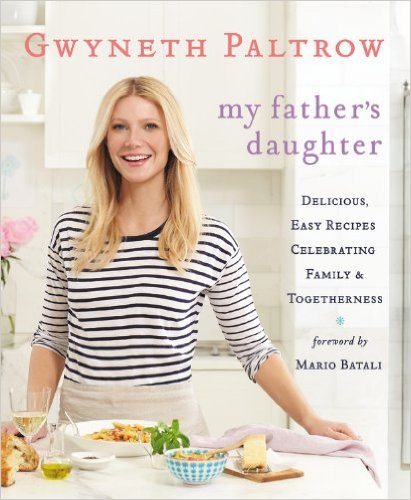
This pancake recipe comes from Gwyneth Paltrow’s late father, Bruce Paltrow, who spent years making and perfecting his pancakes for his family. The recipe was later shared in Gwyneth’s cookbook, My Father’s Daughter, which I’ve had in my kitchen for years.
We’ve made quite a few recipes from the cookbook, but you can definitely tell which one is our favorite—the pancake pages are worn and stained from being used so often! At this point, I probably should have laminated them years ago.
Michael usually takes over pancake duty on weekend mornings, and after making this recipe so many times, he’s picked up a few helpful tricks along the way. I’m sharing those tips below because little things like getting the skillet to the right temperature and knowing exactly when to flip can make all the difference.
What Kind of Homemade Pancakes Are These?
These pancakes are a little different from the super-thick, extra-fluffy pancakes you often see. I would describe them as more of a classic flapjack—they’re fluffy, but not overly thick, with a soft, tender texture and a slightly richer, eggier flavor.
They’re definitely not as thin as a crepe, either. They fall somewhere in between, with just enough fluffiness to feel like a traditional pancake while still being tender and easy to eat. I think that balance is one of the reasons we’ve loved this recipe for so many years.
You can also adjust the thickness slightly with the milk. Keep the batter thicker for a fluffier pancake, or add a little more milk if you prefer your flapjacks on the thinner side.
Different Types of Pancakes
There are so many different styles of pancakes, and they can vary quite a bit in thickness and texture. This recipe falls somewhere between a traditional fluffy pancake and a thinner flapjack.
Flapjacks: These are the closest to the pancakes we’re making here. They’re soft and fluffy, but not especially thick, with a tender texture that makes them perfect for stacking.
Fluffy Pancakes: Traditional fluffy pancakes are thicker and lighter, usually with a more cake-like interior.
Japanese Pancakes: If you want serious height, Japanese soufflé pancakes are in a category of their own! They’re tall, airy, and incredibly light. I have a [Fluffy Japanese Pancakes recipe] on the blog if you’d like to try them.
Crepes: Crepes are much thinner than pancakes and have very little rise. They’re soft and delicate and can be filled or topped with both sweet and savory ingredients. If you’re in the mood for something on the thinner side, try my Easy to Make Crepes recipe for a simple homemade version.
Dutch Babies: A Dutch baby is baked in the oven rather than cooked individually on a skillet. It puffs dramatically as it bakes and has a tender, slightly eggy center with crisp edges. For a delicious fall version, try my Apple Dutch Baby Recipe, made with warm cinnamon apples and baked right in the skillet.
There are so many different styles of pancakes from scratch, and they can vary quite a bit in thickness and texture.
Ingredients for Pancakes From Scratch
One of the things I love about these pancakes is that they’re made with simple ingredients you probably already have on hand. You’ll need all-purpose flour, sugar, baking powder, salt, buttermilk, butter, eggs, and a little milk if you want to thin the batter.
The buttermilk helps give the pancakes their soft, tender texture, while the eggs make them rich and satisfying. And don’t skip the butter—you’ll use melted butter in the batter and a little more for cooking the pancakes.
Michael’s Tip for the Batter
The original recipe allows for up to one cup of milk to thin the batter, but you don’t necessarily need to use all of it. Michael adds just enough to get the consistency he wants.
More milk creates a thinner pancake with a slightly more delicate, almost crepe-like texture. For thicker, fluffier pancakes, use less. I recommend starting with a small amount and adding more only if the batter seems too thick.
Can You Make Pancake Batter the Night Before?
Yes, you can make this pancake batter the night before and store it in the refrigerator. Michael has made these pancakes with freshly mixed batter and with batter prepared the night before, and we honestly haven’t noticed much difference in the finished pancakes.
The biggest advantage is convenience. If you mix the batter before going to bed, most of the work is already done when you wake up—especially nice for a lazy weekend breakfast.
For storing the batter overnight, I recommend using a large glass Mason jar or another airtight container in the refrigerator. In the morning, give the batter a gentle stir and transfer it to a pancake dispenser before cooking.
Our Favorite Pancake Dispenser
We’ve tried a few pancake dispensers over the years, and we now have a new favorite. It makes it so easy to portion the batter directly onto the hot skillet and helps keep the pancakes fairly even in size.
I especially like using a dispenser because there’s less dripping and mess around the stove—and anything that makes pancake morning a little easier is a win for me!
How to Make Pancakes From Scratch
Making pancakes from scratch is pretty simple, but I’ve learned that a few little details can make a big difference. Here’s how Michael makes them so they turn out beautifully every time.
1. Mix the Dry Ingredients
In a large bowl, whisk together the flour, sugar, baking powder, and salt until everything is evenly combined.
2. Mix the Wet Ingredients
Melt the butter and set it aside for a few minutes to cool. In a separate bowl, whisk the eggs, then add the melted butter and buttermilk.
Don’t worry if you notice little bits of butter in the mixture. We’ve made this recipe many times, and it hasn’t affected how the pancakes turn out.
3. Make the Pancake Batter
Add the wet ingredients to the dry ingredients and mix until combined. If the batter seems thicker than you’d like, add a little milk at a time until it reaches your preferred consistency.
You can cook the pancakes right away or cover the batter and refrigerate it overnight.
4. Get the Skillet to the Right Temperature
This is one of Michael’s best pancake tricks. Heat your skillet before adding the batter, then sprinkle a few drops of water onto the surface. If the water sizzles, the skillet is hot and ready for your pancakes.
Add a small pat of butter to the skillet before pouring in the batter. Michael actually cuts several little pats of butter ahead of time so he can quickly add one between batches.
5. Pour the Batter and Watch for Bubbles
Pour the batter onto the hot skillet, leaving enough room between the pancakes to flip them easily.
Now comes one of the most important parts: don’t flip too soon. Watch the surface of the pancake. As it cooks, bubbles will begin to form and pop, and the edges will start to look set.
6. Flip the Pancakes
Once you see bubbles across the surface and the edges look cooked, gently slide a spatula underneath and flip the pancake. Cook the second side until golden brown.
Continue with the remaining batter, adding a little more butter to the skillet between batches as needed. Then serve the pancakes warm with butter, maple syrup, fresh fruit, or your favorite toppings.
Frequently Asked Questions
Can I Make the Pancake Batter the Night Before?
Yes. We’ve made this recipe both ways, and we haven’t noticed much difference between pancakes made with freshly mixed batter and batter made the night before. Store the batter covered in the refrigerator, then give it a gentle stir before cooking. I like to store mine in a large glass Mason jar and transfer it to our pancake dispenser in the morning.
How Do I Know When to Flip Pancakes?
Watch the surface of the pancake rather than the clock. When bubbles form and begin to pop and the edges start to look set, gently lift an edge with your spatula. If the bottom is golden brown, it’s ready to flip.
Why Are My Pancakes Sticking to the Pan?
Make sure your skillet is properly heated before adding the batter. Michael tests ours by sprinkling a few drops of water onto the hot skillet—when they sizzle, he knows it’s ready. We also add a little butter to the pan between batches.
Can I Make a Bigger Batch of Homemade Pancakes?
Yes, but keep in mind that this recipe already makes a lot of pancakes! When we need extra, we usually make 1½ times the recipe, which gives us plenty. I wouldn’t automatically double it unless you’re feeding a very large group or want lots of leftovers for the freezer.
Can You Freeze Homemade Pancakes?
Yes! We freeze leftover pancakes all the time. You can place parchment paper between the pancakes before freezing so they don’t stick together.
For even better results, arrange the pancakes in a single layer on a baking sheet, making sure they aren’t touching, and freeze them until firm. Once frozen, you can stack them in a freezer-safe container or bag with pieces of parchment paper between the layers. Since they’re already frozen individually, they’re much easier to pull apart when you only want one or two.
How Do You Reheat Frozen Pancakes?
For a quick breakfast, reheat individual pancakes in the microwave until warmed through. You can also warm several pancakes at once in the oven. Keep an eye on them so they stay soft rather than drying out.
Can I Make These Flapjack-Style Pancakes Thinner?
Yes. The recipe allows you to add milk to adjust the consistency of the batter. Michael sometimes adds a little milk for thinner pancakes. Start with a small amount and add more until the batter reaches the consistency you like.
Pancakes From Scratch
Ingredients
- 3 cups unbleached all-purpose flour
- ¼ cup granulated sugar plus 2 tablespoons
- 1 tbsp baking powder plus ½ tsp
- 2 tsp fine salt
- 3 cups buttermilk
- 6 tbsp unsalted butter Melted and slightly cooled, plus more for cooking
- 6 large eggs
- 1 cup buttermilk as needed to thin the batter
Instructions
- In a large bowl, whisk together the flour, sugar, baking powder, and salt.
- Melt the butter and allow it to cool slightly.
- In a separate bowl, whisk the eggs. Add the melted butter and buttermilk and whisk until combined. Don’t worry if the butter forms a few small bits in the mixture; we’ve found that this doesn’t affect the finished pancakes.
- Pour the wet ingredients into the dry ingredients and mix until combined.
- If you prefer a thinner batter, gradually add milk until you reach your desired consistency. You may not need the full cup. Less milk will give you a slightly thicker, fluffier pancake, while more milk creates a thinner, more flapjack-like pancake.
- Heat a skillet or griddle over medium heat. To test whether the skillet is ready, sprinkle a few drops of water onto the surface. When the water sizzles, the pan is hot enough.
- Add a small pat of butter to the skillet and allow it to melt.
- Pour the pancake batter onto the hot skillet, leaving enough room between the pancakes to flip them easily.
- Cook until bubbles form and begin to pop across the surface and the edges of the pancakes start to look set. Gently lift an edge with a spatula to check that the underside is golden brown.
- Flip each pancake and cook the second side until golden brown and cooked through.
- Repeat with the remaining batter, adding a little butter to the skillet between batches as needed.
- Serve warm with butter, maple syrup, fresh fruit, or your favorite pancake toppings.
Nutrition
A Weekend Breakfast Worth Making
After all these years, these pancakes from scratch are still a favorite in our house. I love that they’re simple, reliable, and forgiving—even if you don’t consider yourself an expert pancake maker. And the fact that Michael, who usually can’t resist changing a recipe, still makes this one just as it was intended says a lot!
I hope these little tips help you get that first batch just right. Serve them warm with plenty of butter and maple syrup, and you have the perfect excuse to stay in your pajamas a little longer.
Cheers,

More Breakfast Recipes to Try
If you love a slow weekend breakfast as much as we do, here are a few more recipes to try. And for even more inspiration, take a look at my Lazy Saturday Morning Breakfast Ideas for a collection of cozy recipes perfect for the weekend.
Buttermilk Pumpkin Pancakes – A fall version of classic buttermilk pancakes made with pumpkin and warm spices.
How to Make Creamy Scrambled Eggs – Another one of Michael’s specialties! He spent years perfecting his technique for rich, creamy scrambled eggs using just a few simple ingredients.
Pumpkin Brioche French Toast – Rich brioche, pumpkin, eggs, and warm spices make this a delicious choice for a special fall breakfast or brunch.
Fresh Orange Scones – Tender homemade scones flavored with fresh orange and cranberries for something a little sweet alongside your morning coffee or tea.
- Halloween Food Inspiration - September 26, 2026
- Nordic Ware Pumpkin Loaf Pan Recipe - September 24, 2026
- Pottery Barn Fall Dupes - September 23, 2026
Coco in the Kitchen
I WANT THESE!
happyhappynester
Come on over, my sweet friend!